Professional Carpentry Solutions: Transform Your Space With Custom Woodwork Expertise
Expert carpenter services offer a selection of custom woodwork solutions that can significantly improve any space. With a focus on tailored designs and exceptional craftsmanship, these professionals create functional and aesthetically pleasing environments. From tailor-made bookshelves to refined cabinetry, the possibilities are extensive. Engaging with skilled artisans can result in unique features that reflect distinctive preferences. However, understanding the process and benefits is essential before starting on such a project.
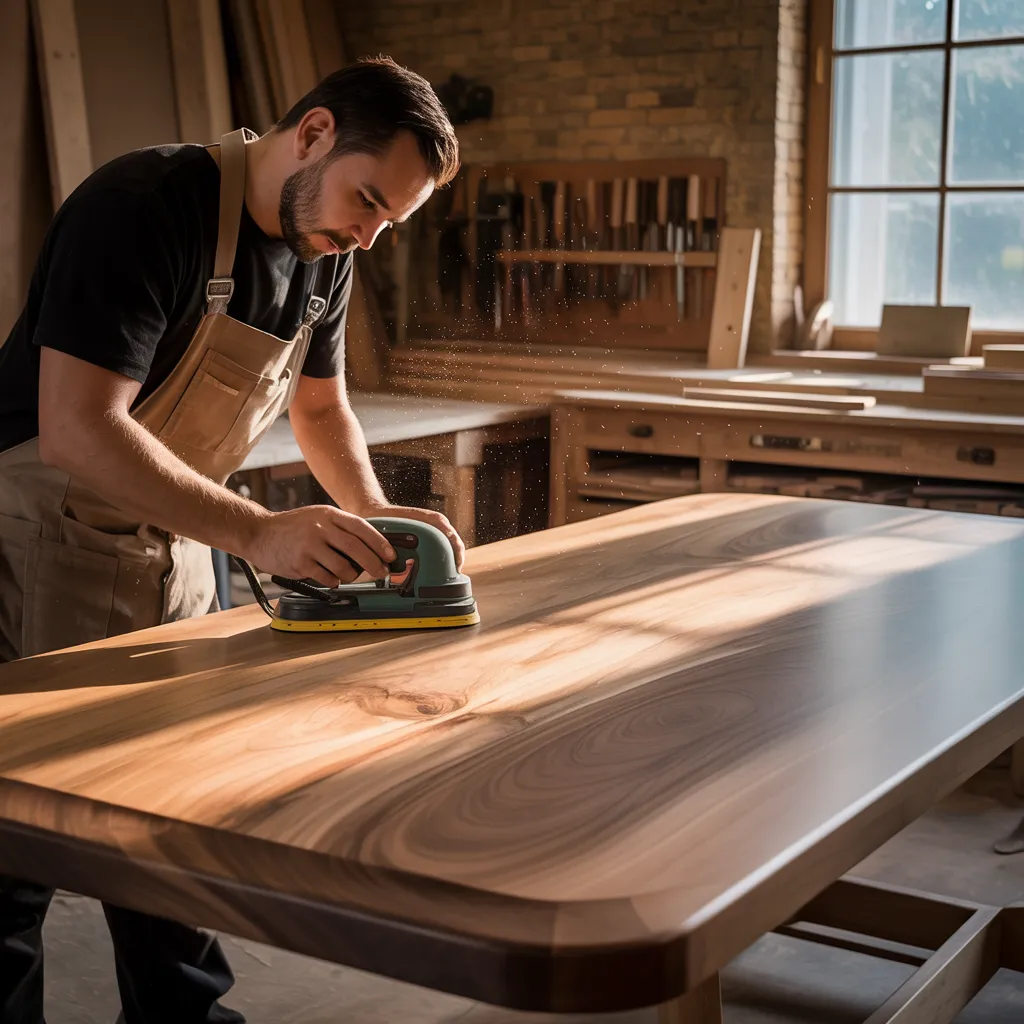
The Special Perks of Custom Woodwork for Your Space
Personalized woodwork presents remarkable benefits that can change any space into a representation of individual style and purpose. A primary advantage is the ability to modify designs to particular sizes and demands, ensuring an optimal fit for any environment. This customization not only enhances aesthetic appeal but also maximizes utility, providing solutions that off-the-shelf products cannot match.
Furthermore, custom woodwork generally utilizes top-quality materials and craftsmanship, creating long-lasting and enduring features. This investment frequently turns out to be more economical over time, as bespoke pieces can resist wear superior than mass-produced equivalents.
Moreover, partnering with skilled carpenters facilitates unique design elements, combining personal tastes and lifestyle needs. This creates spaces that are not only visually stunning but also highly functional. Finally, custom woodwork fosters a sense of ownership and pride, making any environment more comfortable and personalized.
Trending Custom Woodwork Projects: Bookshelves, Kitchens, and Decks
Numerous popular custom woodwork projects can considerably enhance both the functionality and aesthetics of a home. Among these projects, custom bookshelves prove to be a practical solution for managing books and displaying decor. Designed to fit any space, they can be crafted to match the home's style, from modern to rustic.
Kitchens receive significant advantages from custom woodwork. Personalized cabinet solutions allow homeowners to optimize storage while perfecting the layout, while providing a cohesive look that reflects personal taste. From rustic farmhouse kitchens to modern contemporary styles, custom woodwork improves the overall ambiance.
Decks are an additional preferred project, creating outdoor living space that can be tailored for entertainment or relaxation. Masterfully designed decks not only elevate the home's exterior but also provide a resilient area for gatherings. As a whole, these custom woodwork projects elevate spaces, adding distinction and worth to any home.
How Expert Carpenters Bring Your Ideas to Life
Professional woodworking craftsmen turn client visions into concrete outcomes through personalized design consultations. They apply meticulous woodworking methods to ensure each project satisfies superior benchmarks of quality. Additionally, the careful selection of superior products enhances the longevity and appearance of the final product.
Custom Design Appointments
What's the process skilled carpenters use to turn abstract ideas into real creations? Via customized design sessions, professional carpenters involve clients in a cooperative process that realizes their visions. During these sessions, carpenters listen attentively to clients' ideas, preferences, and functional needs, ensuring a thorough understanding of the desired outcome. They deliver useful guidance and proposals, utilizing their considerable experience to improve the preliminary concepts. Employing sophisticated design software, carpenters develop comprehensive drawings and models, enabling clients to envision the completed piece. This participatory technique not only promotes creative thinking but also cultivates trust and harmony between clients and carpenters. Ultimately, tailored consultations are vital in producing one-of-a-kind woodwork solutions customized to particular preferences and demands, ensuring happiness with the final product.
Expert Craftsmanship Methods
Transforming ideas into reality requires a mastery of meticulous workmanship approaches, which proficient craftsmen apply to deliver impeccable results. These artisans employ advanced tools and approaches to secure exact measurements and flawless cuts, crucial for attaining a seamless fit in any project. Attention to detail is critical; expert carpenters meticulously plan each step, from sketching initial designs to executing complex joinery methods. They expertly balance aesthetics with functionality, assuring that every piece of woodwork enhances the overall design while serving its intended purpose. Whether building custom cabinetry or intricate moldings, their expertise in precision craftsmanship not only fulfills client expectations but often surpasses them, bringing visions to life with exceptional quality and artistry.
Superior Materials Selection
Choosing quality materials is a critical factor in transforming woodworking plans into reality. Expert carpenters understand that the choice of wood and other materials greatly impacts the endurance, look, and usability of the final product. They thoroughly examine various wood types, considering factors such as wood grain, durability, and humidity tolerance. By selecting high-quality materials, experienced carpenters assure that each project not only achieves aesthetic goals but also remains durable over time. Additionally, they integrate sustainable and eco-friendly options, aligning with modern environmental preferences. This careful selection approach allows expert carpenters to convert customer ideas into concrete results, resulting in custom woodwork that improves areas while showcasing individual style and craftsmanship.
Picking Material Options for Your Custom Woodwork
When embarking on a custom woodwork project, selecting the right materials is crucial to achieving both aesthetic appeal and functional durability. Various types of wood, such as hardwoods and softwoods, provide distinct qualities. Hardwoods, like oak and maple, are known for their strength and longevity, making them excellent for furniture and cabinetry. Softwoods, such as pine and cedar, are usually more affordable and easier to work with, suitable for decorative elements or less demanding applications.
In addition to wood types, considerations such as grain patterns, color, and finish are crucial in aligning with the overall design vision. Environmental elements, including humidity and temperature, should also inform material choices to ensure stability and longevity. Ultimately, a considered selection of materials not only improves the visual character of the project but also supports its structural integrity and lifespan, ensuring a successful custom woodwork outcome.
The Carpentry Process: Step-by-Step Guide Starting From Design to Installation
The carpentry procedure commences with an preliminary consultation and planning step, where clients discuss their needs and preferences. Subsequently, design development takes place, resulting in client approval before transitioning to the installation phase. Each stage is vital in making certain that the final product achieves the desired specifications and quality standards.
First Consultation And Preparation
Before starting on any carpentry project, an initial consultation and planning phase is necessary to ensure that the client's vision is accurately captured. During this phase, the carpenter meets with the client to discuss their vision, preferences, and specific requirements. This conversation helps establish a clear understanding of the project scope, timelines, and budget constraints. The carpenter may evaluate the existing space and identify any challenges that need to be addressed. Additionally, gathering measurements and exploring material options confirms that the project aligns with the client's expectations. This foundational step not only fosters productive communication but also lays the groundwork for a successful design process, ultimately leading to a satisfying and cohesive final product tailored to the client's unique needs.
Design Creation And Approval
Converting initial ideas into physical designs marks the next step in the carpentry process: design development and approval. During this crucial phase, carpenters work closely with clients to refine concepts, guaranteeing that each aspect aligns with the intended outcome. This often involves creating comprehensive drawings and 3D renderings, allowing clients to visualize the final product. Feedback is critical, as it enables adjustments to be made before moving forward. The approval process guarantees that all specifications, materials, and aesthetics meet the client's expectations. Once consensus is reached, the designs are finalized, paving the way for the subsequent steps of the project. This careful approach not only improves client satisfaction but also sets a solid foundation for successful execution.
Skilled Installation Method
After the design receives approval, the professional installation process commences, confirming that the crafted pieces are implemented with care and precision. To begin, the installation team organizes the site, surveying and organizing the area to accommodate the new woodwork. Following this, they meticulously transport the custom pieces to the location, checking each for quality before installation. The team then follows a systematic approach, leveling, aligning, and securing the components to guarantee a perfect fit. Detailed focus is crucial, as adjustments may be essential to ensure seamless integration with existing structures. Finally, once installed, the team executes a meticulous inspection and clean-up, leaving the space ready for use while making certain the craftsmanship meets the highest standards of quality and satisfaction.
Locating the Right Carpenter for Your Woodworking Project
How can someone ensure they select the reference ideal carpenter for their woodworking project? Choosing the right carpenter demands thorough evaluation of multiple aspects. First, potential clients should evaluate the carpenter's experience and portfolio, ensuring their previous work aligns with the desired style and complexity of the project. It's additionally helpful to request referrals from acquaintances or check internet feedback to measure client contentment and dependability.
In addition, verifying credentials, including licenses and insurance, is essential for protecting oneself from potential liabilities. Open communication is crucial; clients should communicate their vision and ask important questions about the carpenter's method and timeline. Securing multiple quotes can provide insight into the market rate and help identify the best value. Finally, trust one's instincts—choosing a carpenter who shows professionalism and enthusiasm for the project can create a more successful collaboration.
What You Should Expect: Timeframe and Costs for Custom Woodwork?
Comprehending the timeline and expenses associated with custom woodwork is vital for clients embarking on their projects. Generally, the schedule for custom woodwork can range from a few weeks to several months, contingent upon the complexity and size of the project. Initial discussions, design sketches, material acquisition, and crafting all contribute to this timeframe.
Prices can fluctuate significantly based on factors such as the variety of wood, intricacy of the design, and labor involved. On average, clients might expect to invest between $50 to $150 per hour for skilled carpentry services, in addition to material costs that can range from $10 to $100 per square foot.
It is advisable for clients to obtain detailed estimates and timelines from their chosen carpenter to provide a complete understanding of the project's scope and budget, facilitating a better execution of their custom woodwork vision.
Questions & Answers
What Are the Best Wood Types for Custom Projects?
Oak, maple, and cherry hardwoods are perfect for custom projects because of their durability and visual appeal. Pine and cedar softwoods are equally favored for their user-friendly nature and design flexibility.
Can Custom Woodwork Enhance My Residence's Value?
Bespoke wooden features can significantly boost a house's valuation by elevating appearance quality and functional value. Skillfully constructed wood components often appeal to potential buyers, making properties stand out in the market and justifying elevated listing values.
What's the Best Way to Care for My Custom Woodwork?
To preserve custom woodwork, frequent dusting is crucial. Routine cleaning with a gentle soap solution helps preserve the finish. Using a appropriate wood polish each few months improves luster, while humidity control stops damage and deterioration.
Are There Eco-Friendly Wood Options Available?
Environmentally responsible wood choices are accessible, featuring bamboo, reclaimed wood, and sustainably certified timber. These options minimize ecological footprint while providing durability and aesthetic appeal, making them excellent selections for custom woodworking projects.
Which Styles of Woodwork Are Popular Today?
At present, in-demand woodwork trends include minimalist Scandinavian styles, rustic farmhouse styles, and sleek modern finishes. In addition, reclaimed wood and bold, geometric patterns are building popularity, representing a fusion of sustainability and contemporary design tastes.